The Allure of Risk and Reward
Casino games captivate players by engaging their desire for risk and reward. The adrenaline rush experienced during gameplay is a significant psychological factor that draws individuals to gaming establishments. This sensation is often heightened by the potential for financial gain, creating a potent mix of excitement and anticipation. For those seeking quick payouts, ontario online casino fast withdrawal options can enhance the thrill, making players find themselves in a state of psychological arousal, driven not just by the possibility of winning but also by the thrill of uncertainty. The stakes involved often amplify this experience, making it more alluring.

Moreover, the concept of loss aversion plays a crucial role in the psychology of casino games. Research suggests that people are more motivated to avoid losses than to achieve gains. This phenomenon means that the fear of losing money is often more powerful than the excitement of winning it. As a result, players may engage in behaviors like “chasing losses,” where they continue to gamble in hopes of recouping what they’ve lost, further entrenching them in the cycle of play. This psychological push-and-pull can lead to increased time spent at the gaming tables, even when the outcome may not be favorable.
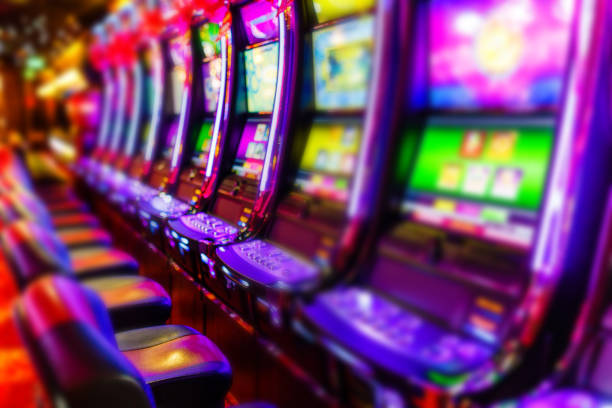
The environments created within casinos also enhance the allure of risk-taking. Bright lights, vibrant colors, and captivating sounds are meticulously designed to stimulate the senses and induce a euphoric state. These elements create an immersive experience that can lead to what psychologists call the “gambling trance,” where individuals become so engrossed in the game that they lose track of time. The ambiance encourages players to take greater risks, which can ultimately lead to significant financial consequences, revealing the complex interplay between psychology and gambling behavior.
The Role of Cognitive Biases
Cognitive biases significantly shape the way players perceive odds and outcomes in casino games. One common bias is the illusion of control, where individuals believe they can influence the outcome of a game through their actions, even in games that are purely based on chance. For instance, a player might think that choosing specific numbers in roulette will increase their likelihood of winning. This misguided belief can lead to increased participation, as players feel empowered to influence events in their favor.
Another cognitive bias prevalent in gambling is the gambler’s fallacy, which leads individuals to believe that past results can affect future outcomes in random events. For example, if a particular number has not come up in a while, a player might become convinced that it is “due” to appear soon. This misconception can prompt players to make bets based on faulty logic, further entrenching them in a cycle of gambling. By interpreting outcomes through the lens of these biases, players often justify their continued participation, despite a lack of favorable results.
These cognitive distortions are not merely benign quirks; they have profound implications for gambling behavior. They can exacerbate risk-taking and lead to greater financial losses. Understanding these biases is essential for anyone looking to navigate the complexities of casino gaming. By recognizing how these mental shortcuts affect decision-making, players can develop strategies to mitigate their impact and make more informed choices while gambling.
The Social Aspects of Gambling
The social environment of a casino can greatly influence individual behavior and decision-making. Many people are drawn to casinos not just for the games but for the social interactions that accompany them. The communal atmosphere fosters a sense of belonging, as players often share their experiences with friends or strangers while cheering for a win at a blackjack table or sharing tips at a poker game. This social dimension can create a compelling reason to engage in gaming activities, as the shared experiences amplify the excitement and enjoyment of gameplay.
Additionally, social reinforcement plays a critical role in gambling behavior. When individuals witness others winning, they may feel a sense of hope and motivation to continue playing, believing that they too can achieve similar success. The presence of enthusiastic players can lead to positive feedback loops, encouraging others to join in. This is particularly evident in group games or tournaments, where the social dynamics can elevate the entire experience, making it more exhilarating and engaging.
However, the social aspects of gambling can have negative consequences as well. Peer pressure can encourage individuals to gamble beyond their financial means, leading to potential addiction and financial distress. Social norms within the gaming community may inadvertently promote riskier behavior, making it essential for players to remain vigilant about their gambling habits. Understanding the psychology behind these social influences can empower individuals to make healthier choices while enjoying the social aspects of casino gaming.
The Impact of Marketing and Design
Casino marketing strategies effectively leverage psychological principles to attract and retain players. Promotions such as loyalty programs and bonuses are designed to tap into the psychological desire for rewards and status. By offering incentives for continued play, casinos create a sense of obligation among players, who may feel compelled to return to the casino to reap the benefits. This approach not only increases player retention but also enhances the overall gaming experience by fostering a sense of value and reward.
The design of the casino environment itself is intricately tailored to stimulate engagement and prolong visits. The layout, including the placement of games, lighting, and sound, is strategically crafted to create a sense of entrapment and immersion. For instance, the lack of windows and clocks can disorient players, leading them to lose track of time and stay longer than intended. This manipulation of the environment aligns with psychological tendencies, encouraging attendees to engage more deeply with the games.
Moreover, the use of branding and imagery plays a critical role in shaping perceptions of gaming experiences. Casinos often utilize appealing visuals and narratives to create an emotional connection with prospective players. By crafting an image of glamour and excitement, casinos are not just selling games; they are selling an experience that resonates with the human desire for escapism and entertainment. This branding strategy is crucial in building loyalty and attracting new players who seek not just games, but an enchanting experience.
Understanding Casino Psychology: A Resource for Players
For those looking to navigate the world of casino gaming with greater awareness, understanding the psychological underpinnings can be immensely beneficial. Resources are available that delve into the intricacies of gambling psychology, offering insights into how cognitive biases, environmental factors, and social influences can impact decision-making. Armed with this knowledge, players can approach gaming with a more analytical mindset, making informed choices rather than succumbing to impulsive behavior driven by psychological triggers.
Learning about responsible gambling practices is a vital aspect of this understanding. By recognizing patterns of behavior and becoming aware of emotional responses associated with gambling, individuals can develop healthier habits. Many organizations provide guidance and support for those seeking to better manage their gaming experiences. Awareness and education can empower players to enjoy the thrill of casino games while mitigating the risks associated with gambling.
In conclusion, exploring the psychology behind casino games reveals a complex interplay of cognitive, social, and environmental factors that shape player behavior. By understanding these elements, individuals can take control of their gaming experiences, ensuring that they enjoy the excitement without falling into the pitfalls of addiction or financial distress. With the right resources and knowledge, players can engage in casino activities in a balanced and responsible manner, maximizing enjoyment while minimizing risk.